Reconnecting as a Couple in the UAE (Without the Pressure)
 Intimate UAE Editorial
- 09 Oct, 2026
- Last updated 11 Oct, 2026
TL;DR: Closeness usually fades for ordinary reasons — workload, routine, admin and tiredness — and it tends to come back through small repeatable steps and honest conversation rather than one big fix.
Why closeness fades in the first place
Most couples don’t drift apart because something dramatic happened. They drift because life filled up. In the UAE that has a particular shape: long commutes between emirates, shift work and rotating schedules, school runs, house moves, visa and tenancy paperwork, and summer months when everyone stays indoors and the week blurs into one another. Add the pull of phones and work messages after hours, and there isn’t much left at the end of the day.
Closeness is sensitive to that. When two people are permanently tired and permanently interrupted, affection is usually the first thing squeezed out — not because it matters less, but because it’s the only thing that can be postponed. Nothing is broken. The supply of attention ran down.
One pattern worth naming: for a while, one partner usually wants more closeness than the other, and both feel wrong-footed about it. That mismatch is common, and it moves.
For the wider background, our sexual wellness basics post covers the ground this sits on.
Starting the conversation without blame
The conversation is the part people avoid, and it’s the part that does the most work.
Pick a neutral moment — a walk, a drive, a quiet evening — rather than raising it mid-argument or right after a rejection. Timing shapes how the sentence lands.
Then talk about your own experience rather than your partner’s behaviour. “I’ve missed being close to you lately” is very different from “you never touch me anymore.” The first invites a response; the second invites a defence — and if your partner raises it, the useful answer is curiosity, not a list of reasons why they’re wrong.
Keep it small. You don’t need to solve the whole thing in one evening — one honest sentence, said calmly, is a genuine start.
Small, low-pressure steps
Grand gestures are satisfying to plan and hard to sustain. What works is smaller and repeatable:
- Protect a slice of time. Twenty or thirty minutes that belong to the two of you, screens down, a few times a week. It doesn’t have to be a date night out.
- Bring back ordinary affection. A hand on the shoulder, a hug that lasts more than a second, sitting beside each other instead of opposite. Non-sexual touch rebuilds the habit of contact with no expectation attached.
- Share something other than logistics. Couple conversation easily becomes scheduling. Talking about anything else restores the friendship underneath.
- Say what you appreciate, out loud. Specific and small beats grand and vague.
The point isn’t to perform intimacy on schedule — it’s to make contact easy enough that it happens on its own. Our building intimacy guide goes deeper on this layer.
Rebuilding takes longer than you’d like
Progress here is uneven. You’ll have a good week and then a flat one, and the flat one doesn’t erase the good one. Couples often quit right where the effort stops feeling new but hasn’t yet become a habit.
Lower the bar deliberately. If the only measure of success is a big romantic evening, most weeks count as failure. If it’s “we had ten undistracted minutes together,” most weeks are a win. Consistency beats intensity.
When a counsellor is the right call
Sometimes the gap doesn’t close on its own, and that’s information, not failure. Signs that outside help would be useful: the same argument repeats without resolution, one or both of you have stopped raising it, there’s a specific unresolved event between you, or the distance has been growing for months rather than weeks.
Dubai and the wider UAE have licensed couples counsellors and relationship therapists, including practitioners who work with expat couples in several languages. Asking a GP or clinic for a referral is an ordinary step — the same one you’d take for anything else you wanted help with. Online sessions are widely available and suit shift schedules.
Where products fit — and where they don’t
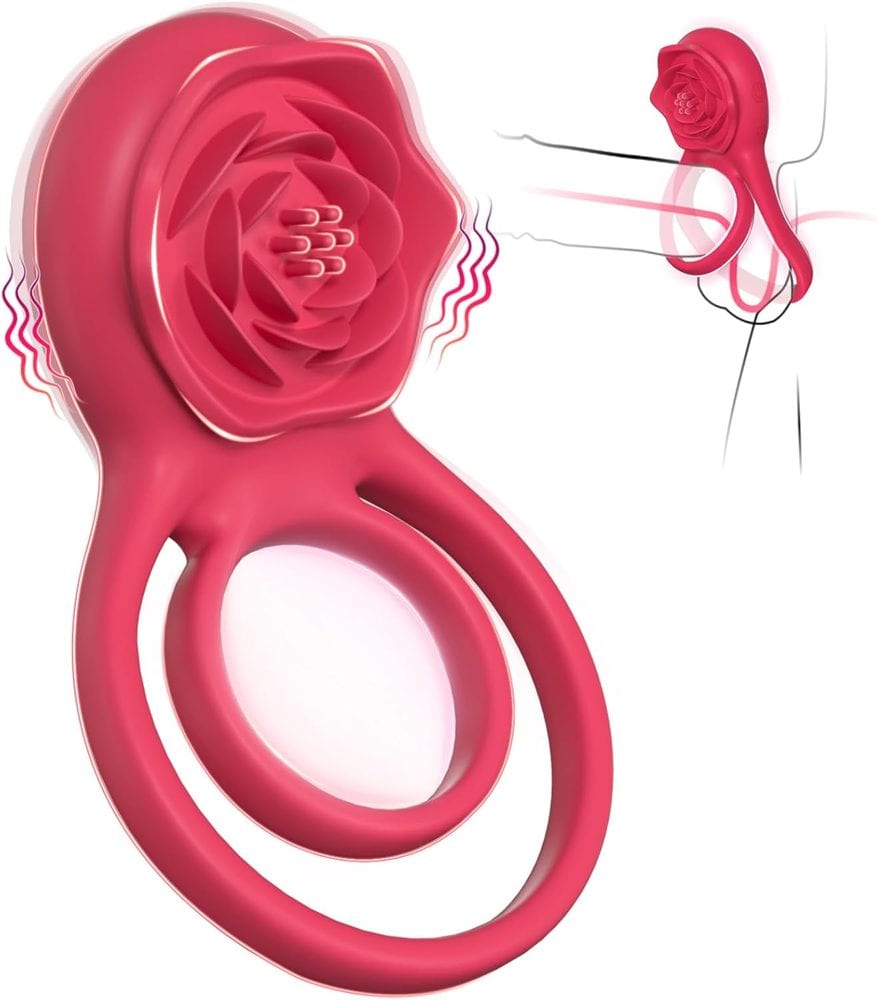
Products can be one small, optional part of reconnecting. A shared purchase gives two people something low-stakes to talk about and try together, and couples toys exist for exactly that. If you’d like a shortlist to look at together, seven ranked couples toys is a gentle place to start.
What they can’t do is replace the conversation. A product doesn’t fix a resentment, a workload imbalance, or six months of not talking, and hoping it will is the most common route to disappointment. Use them as an addition to the steps above, never a substitute — and either partner can say no without justifying it.

Making time when there isn’t any
The usual objection is time, and in the UAE the objection is often real: split shifts, long cross-emirate commutes, a school run, and a summer where everyone’s indoors and the week runs together. The fix isn’t finding a free evening — it’s lowering what counts as time together.
Try these in order of how easy they are to start:
- Ten minutes at the same table. Tea, no phones, no agenda. Small and repeatable beats a monthly date night you keep postponing.
- One shared errand. Doing something ordinary together — a drive, a shop, a walk — counts as contact and needs no planning.
- A protected window a few times a week. Thirty minutes that belong to the two of you, agreed in advance so it doesn’t get eaten by logistics.
- A screen-free rule at a fixed hour. The simplest change with the biggest effect: phones down at the same time each night.
None of these is romantic on paper. All of them rebuild the habit of attention, which is the thing that actually went missing.
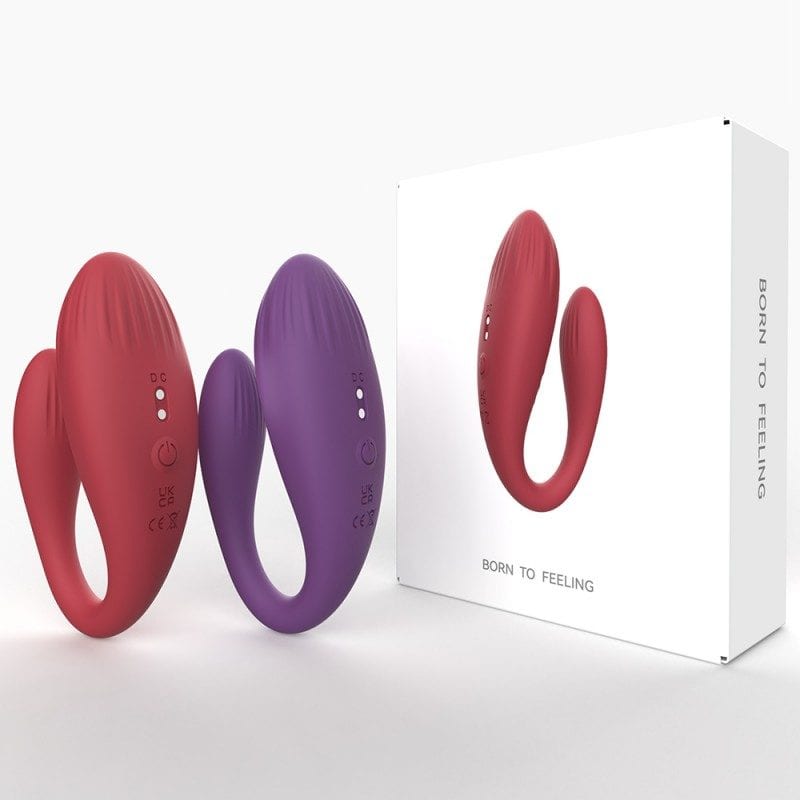
If you’re at the stage where a shared, low-pressure thing to try together would help, the U-Shaped Couples Vibrator is designed for two people rather than adapted from a solo product — a small addition to the steps above, never a replacement for them. The couples toys range covers the other shared designs.
When one of you is willing and the other isn’t
This is the hardest version of the problem, and the most common. One partner wants to work on it; the other is withdrawn, tired, or doesn’t see it as an issue.
A few things help more than pushing:
- Start with your own experience, not a request. “I’ve missed you lately” invites a response; “we need to talk about us” invites a defence.
- Lower the size of the ask. A short walk or a cup of tea is easier to say yes to than a conversation about the relationship.
- Let it sit. Pressure tends to produce withdrawal, so a small invitation followed by patience usually works better than repetition.
- Don’t keep score. Tracking who tried last turns closeness into a ledger and makes both people defensive.
- Name the pattern, not the person. “We’ve both been flat out” lands very differently from “you’ve been distant.”
If your partner stays shut down for weeks despite gentle, repeated openings, that’s information — and it’s where a counsellor, alone or together, genuinely helps.
Signs it’s improving, even when it feels slow
Progress here is easy to miss because it’s small. A few signals that things are moving in the right direction, even in a flat week:
- You’re having more ordinary, non-logistical conversation.
- Touch that isn’t sexual has come back — a hand on the shoulder, a longer hug.
- One of you raises something small instead of letting it sit.
- The same argument comes up less often, or ends sooner.
- You can talk about the distance without it turning into a fight.
None of these is a dramatic moment, and that’s the point. Closeness usually returns through accumulation, not a single event — so measure the trend, not the day.
Myths about reconnecting
“If we loved each other, it wouldn’t take effort.” Long-term couples move through phases of more and less closeness regardless of how strong the relationship is. Effort here isn’t a sign something’s wrong.
“One good conversation will fix it.” It rarely does. One honest sentence is a start; the change comes from small steps repeated over weeks.
“A product will bring the spark back.” It can be a fun shared thing to try, but it doesn’t resolve resentment, workload or months of silence. Treat it as an addition, never a substitute.
“Wanting space means they don’t care.” Different needs for closeness are common, and they shift with stress, sleep and season. It’s a mismatch to work with, not a verdict on the relationship.
What not to do
- Don’t raise it mid-argument or right after a rejection. Timing decides how the sentence lands.
- Don’t keep score of who initiated last. It turns closeness into a ledger.
- Don’t treat a low-desire week as a verdict. Desire moves with sleep, stress, work and season.
- Don’t expect one honest conversation to fix months of drift. Small and repeated is the realistic route.
Frequently asked questions
Is it normal for closeness to fade after a few years together?
Yes. Long-term couples move through phases of more and less closeness, usually tracking workload, sleep and life admin rather than the strength of the relationship. A quiet patch is common — the one worth changing is the quiet patch neither of you mentions.
My partner isn’t interested in talking about it. What now?
Start smaller than a “talk.” One sentence about your own experience, a small invitation rather than a sit-down, then let it sit — pressure tends to produce withdrawal. If they stay shut down for weeks, that’s where a counsellor, alone or together, is genuinely useful.
Can we fix this without professional help?
Often, yes, if the drift is recent and mostly practical: tiredness, routine, no time alone. With an unresolved event, a repeating argument, or months of distance, a professional usually moves things along faster than trying alone.
Do products actually help couples reconnect?
They can, as one part of it — a shared thing to try, a change of routine. They don’t resolve the underlying issues on their own, and it’s fine for either partner to opt out.
How long does it usually take to feel close again?
There’s no fixed timeline, and looking for one tends to make it feel worse. Progress is usually measured in small signs — more ordinary conversation, more non-sexual touch — building over weeks rather than a single evening.
What if we’re too tired for any of this?
Tiredness is often the whole problem, not an obstacle to fixing it. Start with the smallest possible step — ten undistracted minutes at the same table — and treat rest itself as part of reconnecting rather than the enemy of it.
Bottom line
Distance between two people who still like each other is usually a logistics problem wearing a more alarming costume: too much work, too little sleep, no protected time, no language for saying any of it out loud. Start with one honest sentence, protect a small amount of time, and let affection return through ordinary contact rather than one planned evening. If it doesn’t shift, a licensed counsellor in the UAE is a normal next step.
Discreet delivery across all 7 emirates
Like what you see? Buy this product on adulttoysuae.com
Same body-safe product, cash-on-delivery, plain packaging, and age-verified checkout — shipped from inside the UAE, so there are no customs fees or import surprises. Delivered discreetly to all 7 emirates.