Tagged
Relationship advice uae
Articles tagged "Relationship advice uae" — practical, judgement-free guides for adults in the UAE.
 Intimate UAE Editorial
- 09 Oct, 2026
Reconnecting as a Couple in the UAE (Without the Pressure)
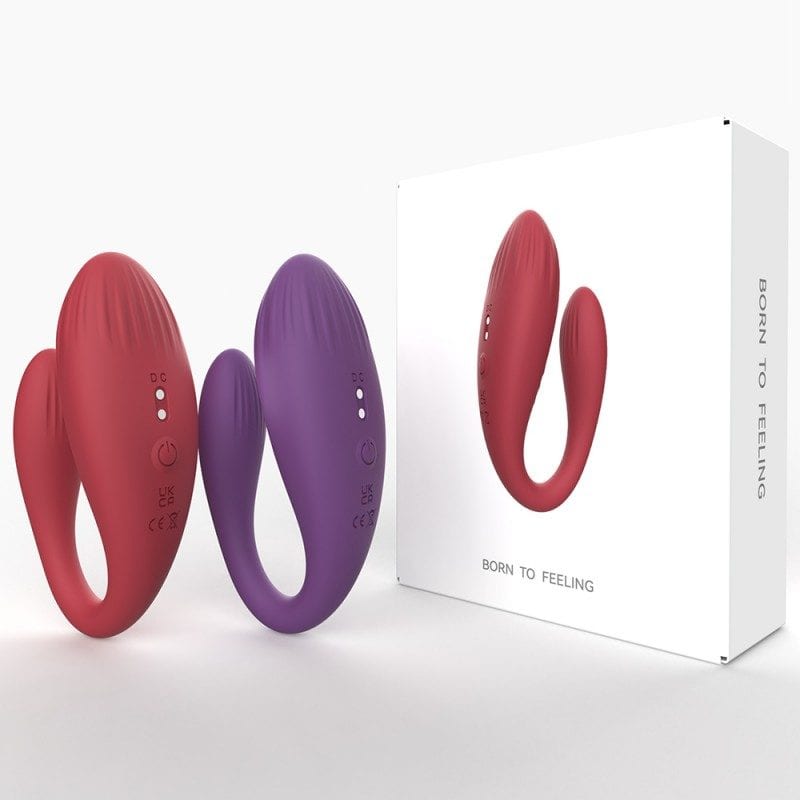
TL;DR: Closeness usually fades for ordinary reasons — workload, routine, admin and tiredness — and it tends to come back through small repeatable steps and honest conversation rather than one big fix.U-Shaped Couples Vibrator (whale-tide) AED 270 · cash on delivery · plain-box delivery View on adulttoysuae.com →Why closeness fades in the first place Most couples don't drift apart because something dramatic happened. They drift because life filled up. In the UAE that has a particular shape: long commutes between emirates, shift work and rotating schedules, school runs, house moves, visa and tenancy paperwork, and summer months when everyone stays indoors and the week blurs into one another. Add the pull of phones and work messages after hours, and there isn't much left at the end of the day. Closeness is sensitive to that. When two people are permanently tired and permanently interrupted, affection is usually the first thing squeezed out — not because it matters less, but because it's the only thing that can be postponed. Nothing is broken. The supply of attention ran down. One pattern worth naming: for a while, one partner usually wants more closeness than the other, and both feel wrong-footed about it. That mismatch is common, and it moves. For the wider background, our sexual wellness basics post covers the ground this sits on. Starting the conversation without blame The conversation is the part people avoid, and it's the part that does the most work. Pick a neutral moment — a walk, a drive, a quiet evening — rather than raising it mid-argument or right after a rejection. Timing shapes how the sentence lands. Then talk about your own experience rather than your partner's behaviour. "I've missed being close to you lately" is very different from "you never touch me anymore." The first invites a response; the second invites a defence — and if your partner raises it, the useful answer is curiosity, not a list of reasons why they're wrong. Keep it small. You don't need to solve the whole thing in one evening — one honest sentence, said calmly, is a genuine start. Small, low-pressure steps Grand gestures are satisfying to plan and hard to sustain. What works is smaller and repeatable:Protect a slice of time. Twenty or thirty minutes that belong to the two of you, screens down, a few times a week. It doesn't have to be a date night out. Bring back ordinary affection. A hand on the shoulder, a hug that lasts more than a second, sitting beside each other instead of opposite. Non-sexual touch rebuilds the habit of contact with no expectation attached. Share something other than logistics. Couple conversation easily becomes scheduling. Talking about anything else restores the friendship underneath. Say what you appreciate, out loud. Specific and small beats grand and vague.The point isn't to perform intimacy on schedule — it's to make contact easy enough that it happens on its own. Our building intimacy guide goes deeper on this layer. Rebuilding takes longer than you'd like Progress here is uneven. You'll have a good week and then a flat one, and the flat one doesn't erase the good one. Couples often quit right where the effort stops feeling new but hasn't yet become a habit. Lower the bar deliberately. If the only measure of success is a big romantic evening, most weeks count as failure. If it's "we had ten undistracted minutes together," most weeks are a win. Consistency beats intensity. When a counsellor is the right call Sometimes the gap doesn't close on its own, and that's information, not failure. Signs that outside help would be useful: the same argument repeats without resolution, one or both of you have stopped raising it, there's a specific unresolved event between you, or the distance has been growing for months rather than weeks. Dubai and the wider UAE have licensed couples counsellors and relationship therapists, including practitioners who work with expat couples in several languages. Asking a GP or clinic for a referral is an ordinary step — the same one you'd take for anything else you wanted help with. Online sessions are widely available and suit shift schedules. Where products fit — and where they don't Products can be one small, optional part of reconnecting. A shared purchase gives two people something low-stakes to talk about and try together, and couples toys exist for exactly that. If you'd like a shortlist to look at together, seven ranked couples toys is a gentle place to start. What they can't do is replace the conversation. A product doesn't fix a resentment, a workload imbalance, or six months of not talking, and hoping it will is the most common route to disappointment. Use them as an addition to the steps above, never a substitute — and either partner can say no without justifying it.App-Controlled Couples Vibrator AED 330 · cash on delivery · plain-box delivery View on adulttoysuae.com →Making time when there isn't any The usual objection is time, and in the UAE the objection is often real: split shifts, long cross-emirate commutes, a school run, and a summer where everyone's indoors and the week runs together. The fix isn't finding a free evening — it's lowering what counts as time together. Try these in order of how easy they are to start:Ten minutes at the same table. Tea, no phones, no agenda. Small and repeatable beats a monthly date night you keep postponing. One shared errand. Doing something ordinary together — a drive, a shop, a walk — counts as contact and needs no planning. A protected window a few times a week. Thirty minutes that belong to the two of you, agreed in advance so it doesn't get eaten by logistics. A screen-free rule at a fixed hour. The simplest change with the biggest effect: phones down at the same time each night.None of these is romantic on paper. All of them rebuild the habit of attention, which is the thing that actually went missing. If you're at the stage where a shared, low-pressure thing to try together would help, the U-Shaped Couples Vibrator is designed for two people rather than adapted from a solo product — a small addition to the steps above, never a replacement for them. The couples toys range covers the other shared designs. When one of you is willing and the other isn't This is the hardest version of the problem, and the most common. One partner wants to work on it; the other is withdrawn, tired, or doesn't see it as an issue. A few things help more than pushing:Start with your own experience, not a request. "I've missed you lately" invites a response; "we need to talk about us" invites a defence. Lower the size of the ask. A short walk or a cup of tea is easier to say yes to than a conversation about the relationship. Let it sit. Pressure tends to produce withdrawal, so a small invitation followed by patience usually works better than repetition. Don't keep score. Tracking who tried last turns closeness into a ledger and makes both people defensive. Name the pattern, not the person. "We've both been flat out" lands very differently from "you've been distant."If your partner stays shut down for weeks despite gentle, repeated openings, that's information — and it's where a counsellor, alone or together, genuinely helps. Signs it's improving, even when it feels slow Progress here is easy to miss because it's small. A few signals that things are moving in the right direction, even in a flat week:You're having more ordinary, non-logistical conversation. Touch that isn't sexual has come back — a hand on the shoulder, a longer hug. One of you raises something small instead of letting it sit. The same argument comes up less often, or ends sooner. You can talk about the distance without it turning into a fight.None of these is a dramatic moment, and that's the point. Closeness usually returns through accumulation, not a single event — so measure the trend, not the day. Myths about reconnecting "If we loved each other, it wouldn't take effort." Long-term couples move through phases of more and less closeness regardless of how strong the relationship is. Effort here isn't a sign something's wrong. "One good conversation will fix it." It rarely does. One honest sentence is a start; the change comes from small steps repeated over weeks. "A product will bring the spark back." It can be a fun shared thing to try, but it doesn't resolve resentment, workload or months of silence. Treat it as an addition, never a substitute. "Wanting space means they don't care." Different needs for closeness are common, and they shift with stress, sleep and season. It's a mismatch to work with, not a verdict on the relationship. What not to doDon't raise it mid-argument or right after a rejection. Timing decides how the sentence lands. Don't keep score of who initiated last. It turns closeness into a ledger. Don't treat a low-desire week as a verdict. Desire moves with sleep, stress, work and season. Don't expect one honest conversation to fix months of drift. Small and repeated is the realistic route.Frequently asked questions Is it normal for closeness to fade after a few years together? Yes. Long-term couples move through phases of more and less closeness, usually tracking workload, sleep and life admin rather than the strength of the relationship. A quiet patch is common — the one worth changing is the quiet patch neither of you mentions. My partner isn't interested in talking about it. What now? Start smaller than a "talk." One sentence about your own experience, a small invitation rather than a sit-down, then let it sit — pressure tends to produce withdrawal. If they stay shut down for weeks, that's where a counsellor, alone or together, is genuinely useful. Can we fix this without professional help? Often, yes, if the drift is recent and mostly practical: tiredness, routine, no time alone. With an unresolved event, a repeating argument, or months of distance, a professional usually moves things along faster than trying alone. Do products actually help couples reconnect? They can, as one part of it — a shared thing to try, a change of routine. They don't resolve the underlying issues on their own, and it's fine for either partner to opt out. How long does it usually take to feel close again? There's no fixed timeline, and looking for one tends to make it feel worse. Progress is usually measured in small signs — more ordinary conversation, more non-sexual touch — building over weeks rather than a single evening. What if we're too tired for any of this? Tiredness is often the whole problem, not an obstacle to fixing it. Start with the smallest possible step — ten undistracted minutes at the same table — and treat rest itself as part of reconnecting rather than the enemy of it. Bottom line Distance between two people who still like each other is usually a logistics problem wearing a more alarming costume: too much work, too little sleep, no protected time, no language for saying any of it out loud. Start with one honest sentence, protect a small amount of time, and let affection return through ordinary contact rather than one planned evening. If it doesn't shift, a licensed counsellor in the UAE is a normal next step.

- Intimate UAE Editorial
- 07 Oct, 2026
Relationships & Intimacy: Talking About What You Want
TL;DR: Strong intimacy is built on a handful of calm conversations — about differing desire, compatibility, and how to suggest something new — not on any product. Lead with feelings, separate logistics from rejection, and know when to bring in a professional. Intimate UAE (adulttoysuae.com) is here for the judgment-free basics.App-Controlled Couples Vibrator AED 330 · cash on delivery · plain-box delivery View on adulttoysuae.com →Desire discrepancy is the rule, not the exception The single most common worry people bring to this topic is "we want different amounts." Almost every long-term couple does. It isn't a sign the relationship is broken; it's a scheduling and expectation issue wearing a scary costume. The one reframe that matters most: name it as logistics, not rejection. "I'm wiped this week" is different from "I don't want you" — and saying the first out loud stops the second from being assumed. The practical moves that follow from that reframe are below. Are you sexually compatible? Compatibility isn't "want the same things." It's "can you talk about the differences without it exploding." Two people with very different tastes who can negotiate will do better than two "matched" people who can't. A useful check: can you each say what you'd like to try, and what's off the table, without the other person taking it personally? If yes, you're compatible enough. The rest is detail. For the wider picture, our sexual wellness basics guide covers the fundamentals. How to bring something new up The mistake is usually timing and framing. Two things that work:Outside the bedroom. Raise it on a walk or over dinner, not in the moment. Pressure kills honesty. Lead with a feeling, not a catalogue. "I'd like to feel a bit more adventure" opens a door. "Why don't we buy X" can feel like a demand.If you're introducing a product, the low-pressure version is a suggestion, not a present with expectations attached. Our guide to couples toys that fit a healthy relationship covers types suited to beginners if you get that far.U-Shaped Couples Vibrator (whale-tide) AED 270 · cash on delivery · plain-box delivery View on adulttoysuae.com →Overcoming shame Shame about wanting things — or not wanting things — is the silent tax on intimacy in conservative places like the UAE. A few realities loosen its grip:Wanting pleasure is normal. Not wanting it is also normal. Neither is a character flaw. You don't owe anyone an explanation for your taste beyond "this is what works for me." A doctor or therapist is a resource, not a confession. Several Dubai clinics publish Arabic and English content on exactly this.Listening is half the work Bringing something up only counts if the other person feels heard. Listening well here looks different from everyday listening:Let the answer land. If your partner says "not right now," that's information, not a shutdown. Acknowledging it keeps the door open for next time. Ask open questions. "What would feel good for you?" invites detail; "Don't you want to?" invites defensiveness. Drop the scoreboard. Conversations about intimacy go sideways when they become about who's asking too much or giving too little.The goal isn't to win a point. It's to learn the shape of what works for both of you. Making space for "no" A healthy intimate life needs an easy, pressure-free "no" — and a partner who receives it without punishment. That sounds simple and is quietly hard.Separate refusal from rejection. Someone can love you and still not be in the mood. Those are different facts. Notice your reaction. If a "no" makes you cold or resentful, name that to yourself first, not to them in the moment. Return to non-sexual closeness so affection doesn't start feeling conditional.When "no" is safe, "yes" means more, because it's actually free. Checking in over time Desire and comfort shift with stress, health, age, and life stage. A conversation that worked two years ago may need a refresh.Low-stakes check-ins — a casual "how are we doing?" every few months — prevent small gaps from hardening into silence. Celebrate what's working, not only what you want to change. Momentum builds on positives. Adjust expectations as life changes rather than holding a fixed script.Our women's self-care and intimacy guide has more on tending to your own comfort alongside a relationship. When to get help If the gap is constant and both people are unhappy, a sex therapist or couples counsellor is the move — not a product. Dubai has certified practitioners; asking a clinic about a referral is a normal step, not a dramatic one. Our sexual wellness basics guide also points to where information ends and professional help begins. Three conversations worth having Most of the value in this topic comes from a small number of conversations, done calmly. If you're not sure where to start, these three cover the ground:The frequency conversation. Not "why don't we more" but "what would make this easier for both of us?" Framing it as logistics removes blame from both sides. The curiosity conversation. What each person would like to try, and what's off the table. Done outside the bedroom, casually, this is far easier than it sounds. The check-in. A light "how are we doing?" every few months, so small gaps don't harden into silence.You don't need all three at once, and none has to be heavy. The point is that intimacy improves through a handful of ordinary conversations, not one big reckoning. What actually helps when desire differs Desire discrepancy is the most common issue couples bring up, and a few practical moves make it manageable:Name it as logistics, not rejection. "I'm wiped this week" is different from "I don't want you" — labelling the mismatch as timing and energy rather than as rejection is what stops the worst assumption from forming. Take the pressure off the calendar. A standing, low-stakes plan beats daily negotiation that wears both people down. Protect touch that doesn't lead anywhere. Affection without expectation keeps closeness from feeling conditional. Separate the mismatch from your worth. Wanting more or less than your partner says nothing about whether you're wanted. Look at the whole context. Stress, sleep, workload and health all move desire. Addressing those often shifts more than any conversation about the bedroom itself. Lower the bar for "good enough." Not every encounter has to be a milestone. Ordinary closeness counts.None of this "fixes" a mismatch overnight, and it isn't meant to. It keeps the issue in the realm of logistics rather than a judgement on the relationship. Everyday habits that keep closeness alive Big conversations matter, but day-to-day habits carry most of the weight:Small gestures, regularly. A check-in text, a shared joke, a genuine question about their day — closeness is built in ordinary moments. Non-sexual touch. A hug, a hand on the shoulder, sitting close on the sofa. This is the base layer that everything else rests on. Shared attention. Put the phone down for twenty minutes. Attention is the cheapest and most underrated form of intimacy. Repair quickly. Arguments happen. Coming back to it calmly, sooner rather than later, matters more than avoiding it. Notice changes. Stressful weeks, poor sleep and big decisions all change mood. Naming that out loud prevents it being read as rejection.None of these are dramatic, and that's the point. Intimacy is mostly maintenance, not grand gestures — the couples who do well are usually the ones who tend to the small things. When a product helps, and when it doesn't It's worth being clear about where a product fits. A couples toy can add variety, take pressure off one partner, or give a new activity to explore together. That's a real benefit, and it's why couples buy them. But a product doesn't create communication where none exists, and it doesn't resolve an underlying mismatch on its own. If you'd like a starting shortlist, our ranked couples toy picks group them by situation. The honest rule: get the talking roughly right first, then treat a toy as an optional extra rather than a solution. If intimacy is stuck because conversations aren't happening, the fix is the conversation, not the purchase. If it's stuck because things have gone routine, a small shared addition can genuinely help. Our couples toys guide covers the practical side if you get there, and the couples toys range is the place to start looking. What not to doDon't frame a difference in desire as a personal rejection — name it as logistics. Don't introduce a product as a "fix" for a relationship that isn't communicating yet. Don't have the big conversation in the heat of the moment; timing matters. Don't assume silence means consent or disinterest — ask, calmly, and listen.Frequently asked questions We want different amounts. Is that normal, or is something wrong with us? Very — and no, nothing is wrong. Wanting different amounts is one of the most common relationship situations there is, and mismatched desire, busy seasons and routine patches are the norm, not the exception. It's manageable as a logistics problem rather than a verdict on the relationship or on either of you. How do I bring up something new without it becoming a fight? Raise it outside the bedroom, lead with a feeling ("I'd like more adventure") rather than a demand, and frame it as a suggestion rather than an expectation. If it has ended in a fight before, change the timing and the framing first — lead with a feeling, not an accusation. Does compatibility mean wanting the same things? No. It means being able to talk about differences without either person taking it personally. When and where should I get professional help? If the gap is constant and both people are unhappy, a couples counsellor or certified sex therapist is the right step — not a product. In the UAE that means a GP, a clinic, or a certified sex therapist; Dubai has them, and asking about a referral is a normal step. Are products the answer to a stuck relationship? Rarely. They can add variety once you're communicating, but they don't fix a conversation that isn't happening. We've stopped talking about it entirely — how do we restart? Very common. Restart with a light, non-sexual check-in rather than jumping straight back to the hard topic, and keep the first attempt low-key. How long does it take to improve? Usually weeks of small habits rather than a single fix. Progress is steady rather than instant, and that's normal. The through-line in every answer is the same: what looks like a problem with desire is usually a problem with the conversation around it, and that's the part you can change. Bottom line Strong intimacy is built on a handful of calm conversations, not on any product. Lead with feelings, separate logistics from rejection, protect non-sexual closeness, and know when to bring in a professional. If you're in a place where a small shared addition would genuinely help, our couples toys guide covers the practical side — but the conversation always comes first, every time. Where closeness has faded rather than simply gone routine, reconnecting as a couple is the gentler starting point. Intimate UAE is an educational, judgement-free guide. This is not medical advice.